
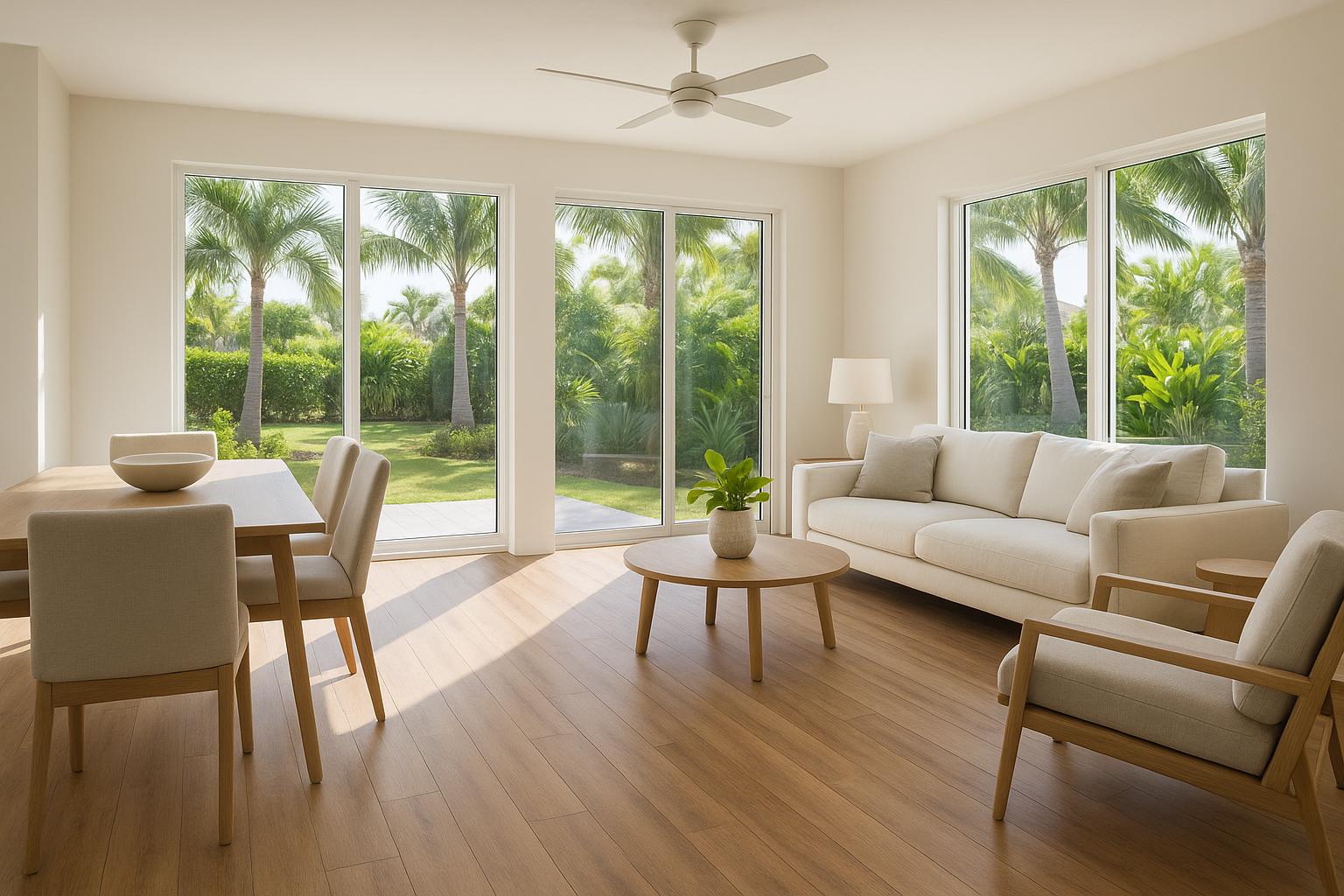
Why Flooring Choices Matter More in South Florida
If you've ever walked into a home where the laminate is buckling or the hardwood has warped beyond repair, you already know the truth: not every flooring material is built for life in South Florida. Here in Homestead, our homes face a unique combination of high humidity, intense heat, the occasional flooding risk during hurricane season, and sandy soil that tracks indoors constantly. The flooring that works beautifully in a Colorado mountain home or a dry Arizona ranch can fail spectacularly in our subtropical climate.
Choosing the right flooring isn't just about aesthetics — it's about protecting your investment and avoiding costly replacements down the road. Whether you're renovating a single bathroom or overhauling your entire home, understanding which materials thrive in our environment will save you time, money, and frustration.
The Biggest Challenges for Flooring in Homestead
Before diving into specific materials, let's talk about what your floors are actually up against:
- Humidity: Homestead's average relative humidity hovers between 70% and 80% year-round. Moisture-sensitive materials can swell, warp, or develop mold underneath the surface.
- Water exposure: From summer afternoon downpours to the occasional tropical storm, water intrusion is a real concern. Homes in flood-prone zones near Florida City and Leisure City need extra consideration.
- Heat and UV: Direct sunlight streaming through windows can fade and degrade certain flooring materials faster than you'd expect.
- Sand and grit: Living close to agricultural land and natural areas means fine particles get tracked indoors constantly, scratching softer flooring surfaces over time.
Best Flooring Options for Our Climate
Porcelain and Ceramic Tile
Tile remains the gold standard for South Florida homes, and for good reason. Porcelain and ceramic are completely waterproof, resistant to humidity, and incredibly durable against scratches and heavy foot traffic. They stay cool underfoot — a welcome bonus during our long, hot summers.
Modern tile comes in an astonishing range of styles. Wood-look porcelain planks give you the warmth of hardwood without any of the moisture vulnerability. Large-format tiles create a sleek, contemporary look that opens up smaller rooms. For bathrooms and kitchens especially, tile is hard to beat.
Best for: Kitchens, bathrooms, entryways, and whole-home installations.
Luxury Vinyl Plank (LVP)
Luxury vinyl plank has exploded in popularity across Homestead and surrounding communities like Naranja and Princeton, and it's easy to see why. High-quality LVP is 100% waterproof, comfortable underfoot, and available in realistic wood and stone patterns that rival the real thing.
LVP installs quickly, often over existing subfloors, which can reduce labor costs during a renovation. It's also softer than tile, making it more forgiving if you drop a glass or spend long periods standing in the kitchen.
One important note: not all luxury vinyl is created equal. Cheaper products can off-gas volatile organic compounds or delaminate in extreme heat. We always recommend investing in a reputable brand with a solid wear layer — typically 20 mil or higher for residential use.
Best for: Living areas, bedrooms, kitchens, and budget-conscious whole-home renovations.
Polished Concrete
Many homes in Homestead are built on concrete slab foundations, which opens up an interesting option: polishing and sealing the existing concrete. Polished concrete is virtually indestructible, completely moisture-resistant, and gives homes a clean, modern industrial look.
It works particularly well in open-concept living spaces and can be stained in a variety of colors. The main drawback is hardness — it's unforgiving on dropped items and can feel cold, though that's often a benefit in our warm climate.
Best for: Modern homes, open floor plans, and outdoor living spaces with covered patios.
Natural Stone
Travertine, marble, and slate bring undeniable elegance to any home. Natural stone performs well in humid environments as long as it's properly sealed and maintained. Travertine in particular is a popular choice for Homestead homeowners looking to create a seamless flow from indoor living areas to outdoor patios and pool decks.
The trade-off is cost and maintenance. Natural stone requires periodic resealing and can stain if spills aren't addressed promptly. But for homeowners who want a premium, timeless look, it's worth the investment.
Best for: Bathrooms, entryways, outdoor living spaces, and high-end kitchen renovations.
What to Avoid (or Use Cautiously)
Traditional Hardwood
We understand the appeal of real hardwood floors. They're beautiful and classic. But solid hardwood and South Florida humidity are a problematic combination. Wood expands and contracts with moisture changes, leading to cupping, warping, and gaps between planks. If you're set on wood, engineered hardwood with a plywood core performs significantly better than solid planks, though it still requires careful climate control indoors.
Standard Laminate
Basic laminate flooring has a fiberboard core that absorbs moisture like a sponge. Even with waterproof laminate options now available, the risk in a high-humidity environment is higher than with tile or LVP. If budget is the primary concern, waterproof luxury vinyl plank is usually a better investment at a similar price point.
Carpet
Wall-to-wall carpet in a humid climate is an invitation for mold, mildew, and dust mites. If you want softness in bedrooms, consider area rugs over hard flooring — you get the comfort without the moisture-trapping problems.
Practical Tips Before You Start Your Flooring Project
- Check your subfloor first. Moisture testing is essential before any flooring installation in Homestead. A professional installer should always verify that moisture levels are within acceptable ranges for your chosen material.
- Think about transitions. If you're renovating room by room, plan how different flooring materials will meet at doorways and hallways. Clean transitions make a huge difference in the finished look.
- Consider your whole home's flow. Using one consistent flooring material throughout main living areas makes smaller homes feel larger — a smart design move for many of the ranch-style and mid-century homes common in our area.
- Don't forget the outdoor connection. Many Homestead homeowners are investing in outdoor living spaces. Choosing complementary materials for indoor and outdoor areas creates a cohesive look, especially with sliding glass doors that open to patios or lanais.
- Get a detailed quote. Flooring costs vary widely based on material, subfloor prep, removal of old flooring, and trim work. A transparent, itemized estimate protects you from surprises.
Making the Right Choice for Your Home
The best flooring for your Homestead home depends on your lifestyle, budget, and design preferences — but it should always account for our local climate. Cutting corners on material quality or skipping proper moisture preparation leads to problems that cost far more to fix than to prevent.
At Homestead Exterior Remodeling, we help homeowners across Homestead, Cutler Bay, Florida City, and the surrounding communities choose and install flooring that's built to perform in South Florida conditions. We believe in straightforward advice and honest pricing, so you know exactly what you're getting before work begins.
If you're planning a flooring renovation — whether it's part of a full kitchen remodel, a bathroom upgrade, or a whole-home refresh — we'd love to talk through your options and help you make a decision you'll be happy with for years to come.